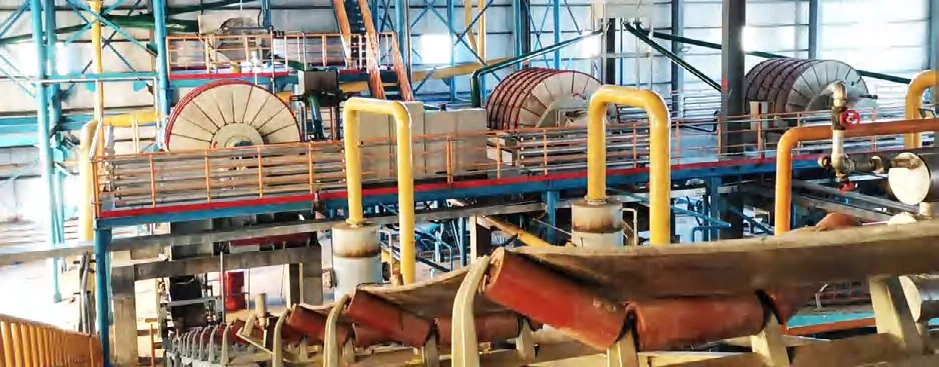
Solutions by ore type
More than 70 ore types processed across six families. Each solution below carries the route we use, the equipment behind it and the projects where it was applied.
Ten flowsheets in detail
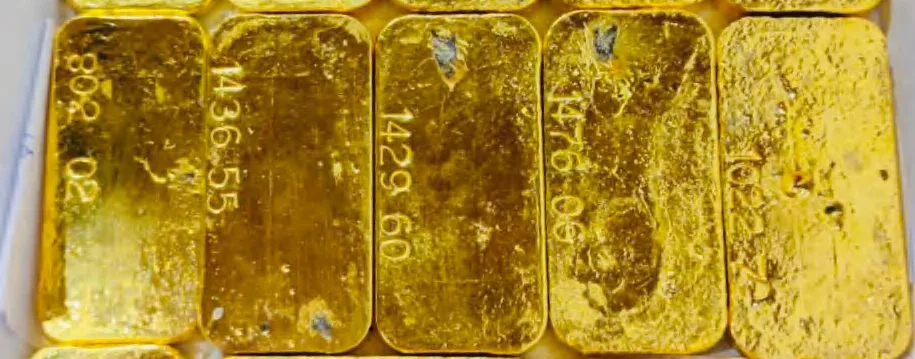
Gold
Flotation, CIP, CIL and heap leaching, with the route set by leach and flotation test work on the ore.
Gold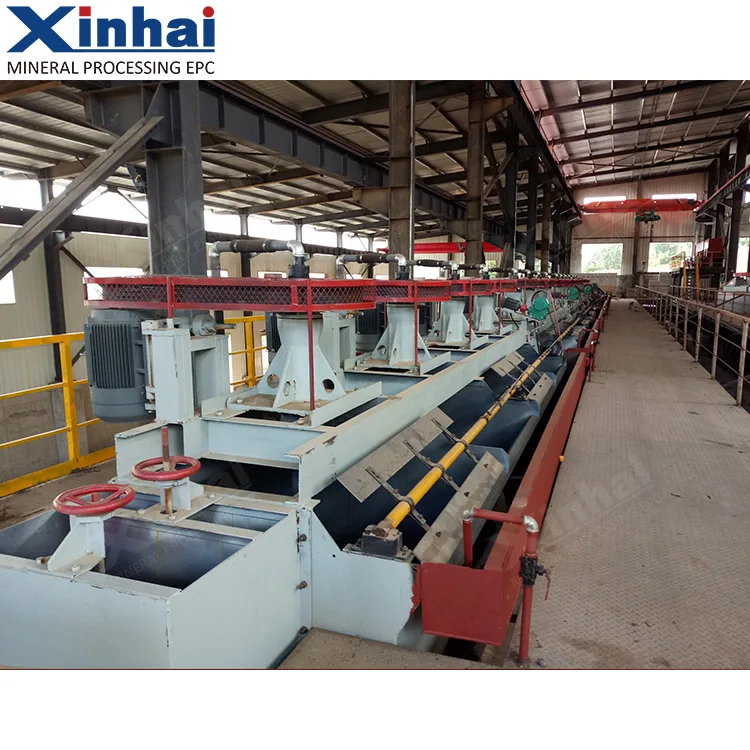
Copper
Bulk or selective flotation with concentrate regrind, for sulphide copper and polymetallic ores.
Copper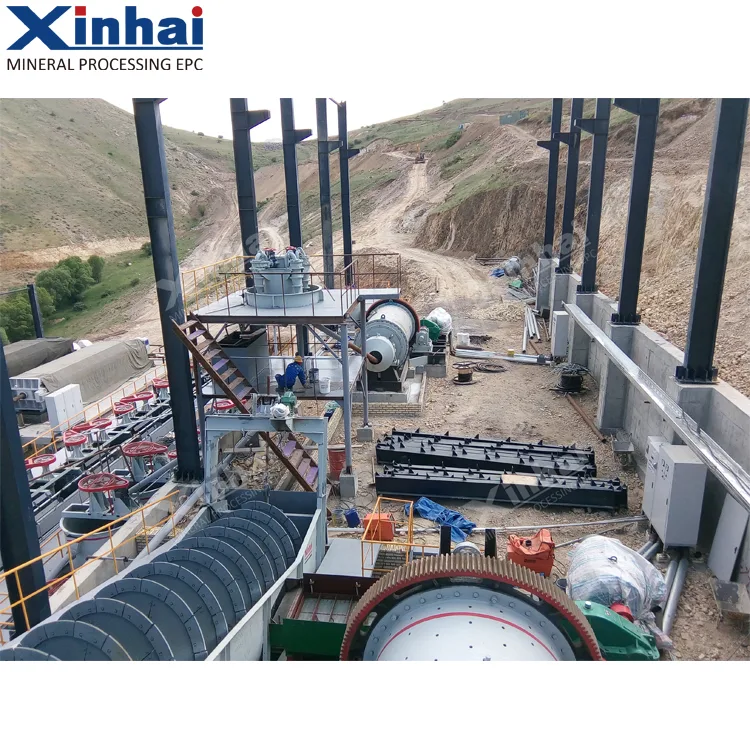
Lithium
Spodumene flotation combined with magnetic separation and dense medium separation.
Lithium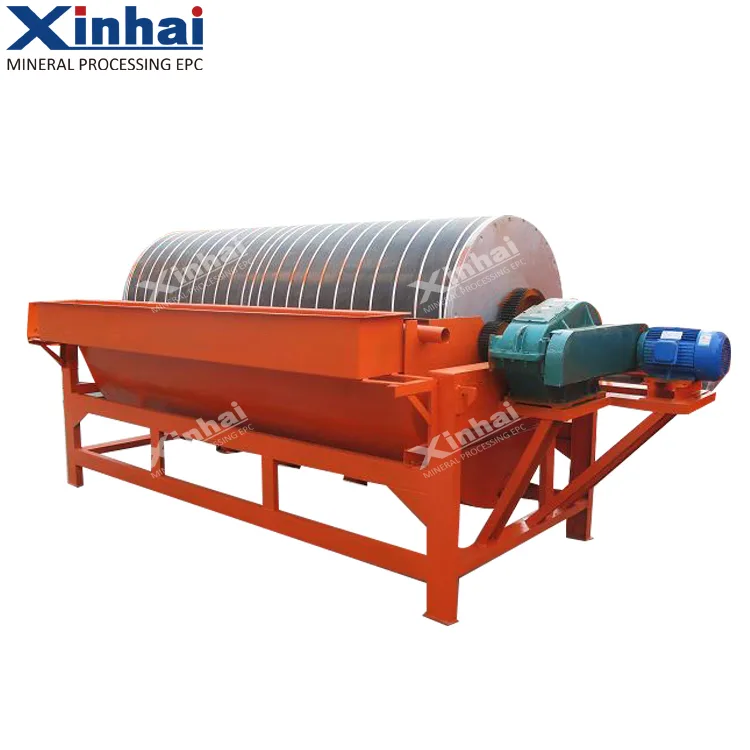
Iron
Magnetic separation for magnetite, magnetic plus flotation or gravity for hematite.
Iron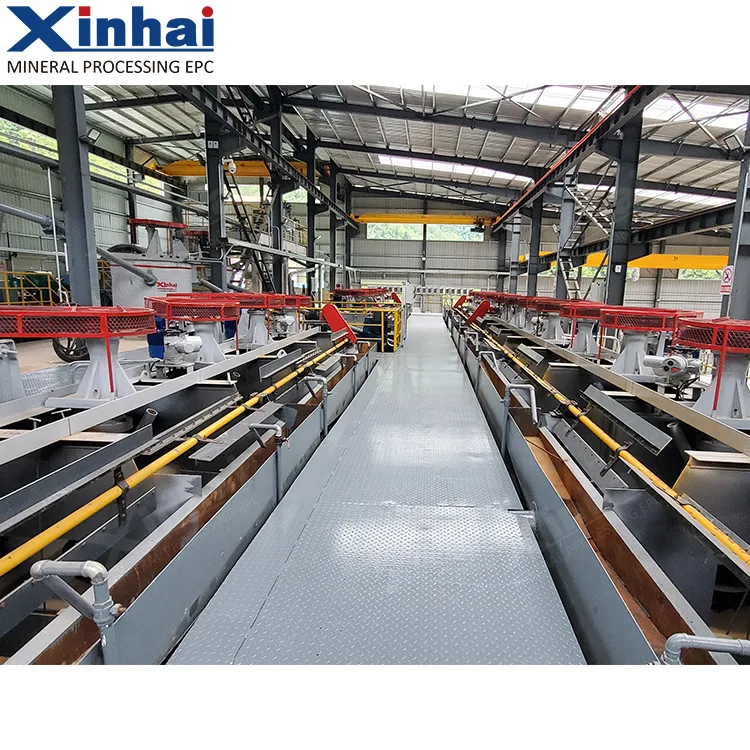
Lead and zinc
Preferential or bulk flotation for copper, lead and zinc polymetallic ores.
Lead and zinc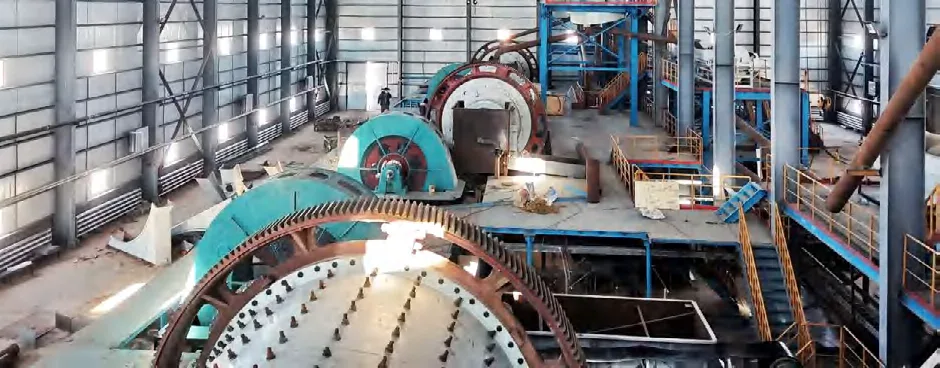
Molybdenum
Flotation with multi-stage cleaning, plus mine development and operation contracts.
Molybdenum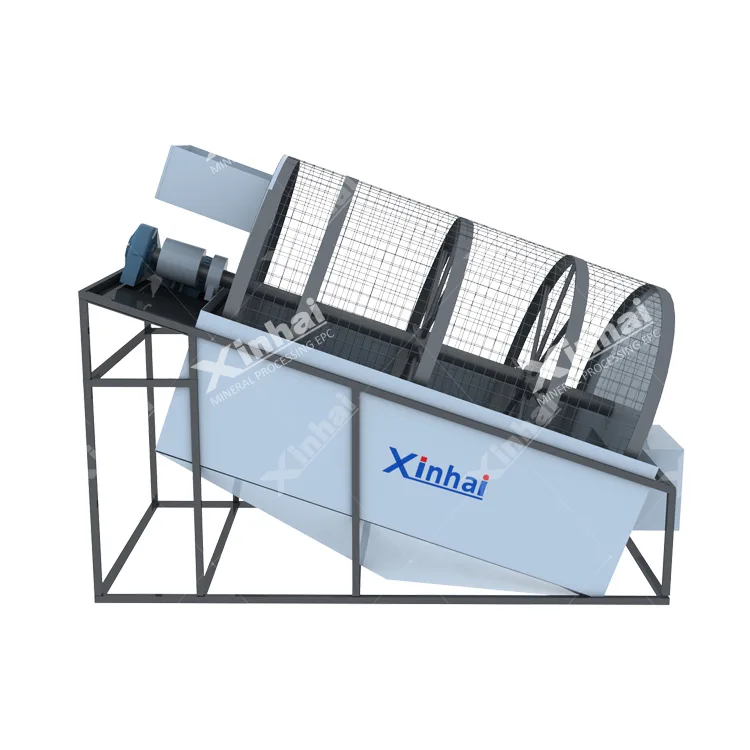
Quartz sand
Washing, desliming, scrubbing, magnetic separation, flotation and acid leaching to 5N purity.
Quartz sand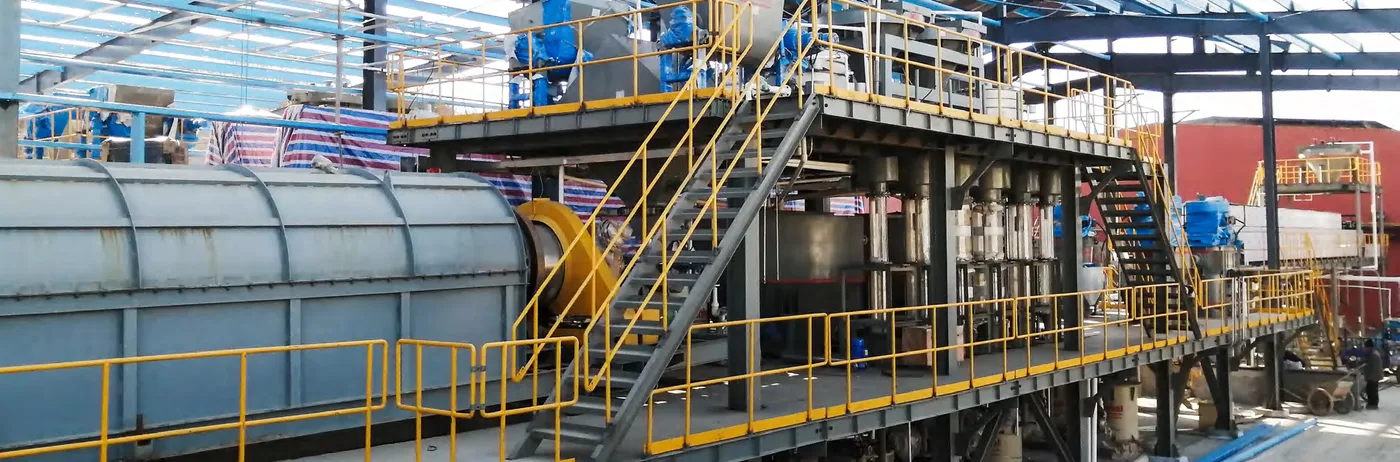
Fluorite
Flotation for metallurgical and acid grade fluorspar, including our first EPC project in Europe.
Fluorite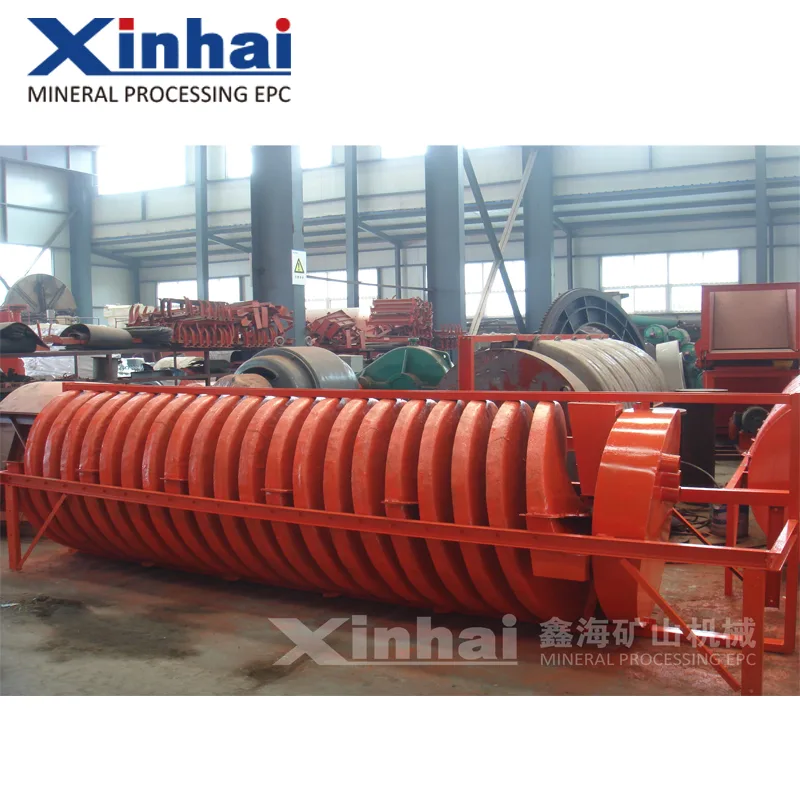
Zircon and titanium
Spiral roughing, magnetic recovery of titanium, then gravity and electrostatic separation for zircon.
Zircon and titanium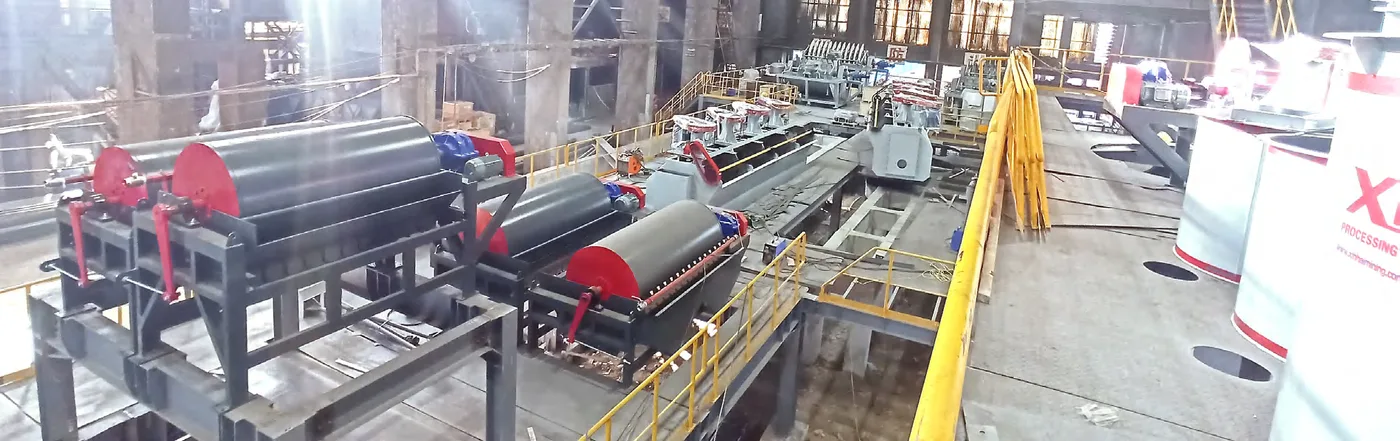
Phosphate
Direct flotation followed by acid conditioning and reverse flotation.
PhosphateThe wider ore coverage
Beyond the ten flowsheets above, Xinhai reports experience across six families and more than 70 ore types.
| Family | Ore types | Typical route |
|---|---|---|
| Precious metals | Gold, silver | Flotation, CIP and CIL cyanidation, heap leaching |
| Base metals | Copper, lead, zinc, molybdenum, tungsten, tin, antimony | Flotation, with gravity or magnetic support |
| Ferrous metals | Iron, chrome, manganese, vanadium, titanium | Magnetic separation, gravity and flotation combined |
| Energy transition minerals | Lithium, graphite, quartz, phosphate, nickel | Flotation plus magnetic and dense medium separation |
| Rare metals | Zircon, rare earths | Gravity, magnetic and electrostatic separation |
| Industrial minerals | Feldspar, fluorite, barite, andalusite, wollastonite | Flotation, gravity and magnetic purification |
More ore types
Process notes for further ores. Where Xinhai has no reference project for an ore, the page says so and starts from testwork.
- Antimony Ore ProcessingAntimony ore processing is a sequence of decisions, not a single machine purchase.
- Bauxite Washing PlantWhat a bauxite washing plant does, where it fits, and how testwork sets the cut.
- Bentonite ProcessingBentonite processing is controlled preparation of a montmorillonite-rich clay to meet application-specific limits on moisture, particle size and rheology.
- Coal Washing PlantA coal washing plant is a set of mechanical processes that separate run-of-mine coal from rock, ash and sulfur before sale.
- Cobalt ProcessingCobalt is mostly a by-product metal, and its processing route follows the host ore before anything else.
- Diamond Processing PlantSay a mine owner asks what a diamond processing plant actually costs to build and run.
- Dolomite Processing PlantSay a mine owner asks what a dolomite processing plant should look like before the testwork is done.
- Feldspar ProcessingFeldspar processing is a mineralogy-led sequence: crush, grind, wash, magnetically separate, and float out mica and quartz.
- Graphite BeneficiationSay a mine owner asks why two graphite plants with similar head grades produce concentrates of wildly different value.
- Gypsum Processing PlantThe flowsheet a gypsum processing plant needs is set by the feed, not by the brochure.
- Magnesite BeneficiationMagnesite beneficiation is a testwork problem before it is an equipment problem.
- Mica ProcessingMica processing is a study in trade-offs: grind too hard and you ruin the flakes, grind too little and liberation suffers. These field notes stake out the dry and wet routes.
- Nickel ProcessingNickel processing is not one flowsheet; it's two very different families of route, and picking wrong is expensive.
- Small Scale Copper Processing Plant for Low-Grade OreA small scale copper processing plant lives or dies on three numbers: head grade, oxidation ratio and Bond work index.
- Talc ProcessingTalc processing is an exercise in protecting lamellar structure while chasing two numbers: fineness and whiteness.
- Niobium ProcessingSay a mine owner asks how to set up a tantalum-niobium plant. The first answer isn't a machine; it's a mineralogy question.
- Tungsten Ore ProcessingTungsten processing splits on one question: wolframite or scheelite.
Send us the ore, the tonnage target and the site conditions. We reply with a scoped proposal.